How Tree Coverage Increases the Need for Gutter Repair
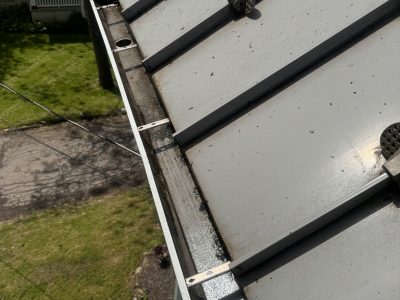

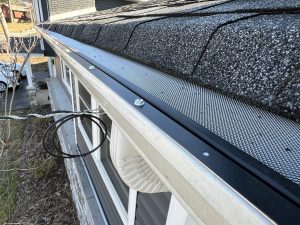
A house shaded by mature trees usually looks better, feels cooler, and often ages more gracefully from the street. Buyers love a leafy lot. Homeowners love the privacy and the relief from summer sun. But from a drainage and exterior maintenance standpoint, heavy tree coverage changes the equation in ways many people underestimate. Gutters that might have gone years with only light maintenance on an open lot can begin to fail much earlier when they sit beneath dense branches.
That failure rarely starts with one dramatic event. More often, it develops quietly. A few leaves collect in a valley. Pine needles mat together in a downspout opening. Tiny seed pods settle into a corner and hold moisture. Water flow slows, then spills over. Fasteners loosen. Seams stay wet too long. Fascia boards begin to soften. By the time a homeowner notices staining, sagging, or water in the basement, the original problem may have started months or even years earlier.
Tree coverage does not simply mean “more debris.” It means more moisture retention, more shade, more organic material, more animal activity, and more opportunities for small gutter defects to become structural problems. That is why properties with substantial canopy almost always need more frequent inspection and more timely Gutter Repair than similar homes in open exposure.
Trees change how gutters age
On a clear lot, gutters mostly deal with rainwater and a bit of windblown dust or grit. Under trees, they become collection channels for whatever the canopy sheds. That includes obvious debris like leaves, but also less noticeable material such as flower petals, bark strips, catkins, twigs, acorns, helicopters from maples, pine straw, and the fine black grit that washes off shingle surfaces and mixes with decomposing organic matter.
That mix behaves differently from clean rainwater. Once it gets wet, it turns into a sponge. It stays heavy, slows drainage, and keeps metal or fastener penetrations damp much longer than they were designed to be. Even aluminum, which resists rust better than steel, can suffer when standing water is constant and the system is stressed by weight.
I have seen gutters packed so tightly with wet magnolia leaves that the trough no longer functioned as drainage at all. Water simply skimmed across the top and poured over the front edge in sheets. The homeowner thought the problem was a roof leak because the overflow was running behind the gutter in a few areas and wetting the soffit. The actual issue was simple, a mature tree dropping thick, leathery leaves that compressed into a nearly watertight plug.
The point is not that trees are bad. It is that they create a harsher operating environment for an exterior drainage system that already works hard in every storm.
The debris problem is only the beginning
Most people imagine clogged gutters when they think about trees, and that is fair. Clogging is common. But several secondary effects are often more expensive than the clog itself.
First, trapped debris adds weight. Dry leaves are light. Wet leaves, seed pods, mud, and standing water are not. A standard residential gutter can tolerate rain load, but it is not meant to carry a long, heavy mass of decomposing organic material week after week. That extra load pulls on spikes, ferrules, hidden hangers, and the fascia they are attached to. A gutter that was properly pitched when installed can slowly flatten out or even reverse pitch in sections. Once that happens, water no longer finds the downspout efficiently, and localized pooling gets worse.
Second, tree cover usually means shade, and shade slows drying. A gutter on the sunny side of an open property may dry quickly after a storm. A gutter under dense canopy may stay damp for much of the day, especially on the north side of the house. Prolonged dampness encourages corrosion on older steel systems, mildew growth on surrounding trim, and wood rot where water repeatedly backs up against fascia or soffit materials.
Third, decomposing plant matter can create a mild acidic environment. Nobody should exaggerate this into a dramatic chemical hazard, but over time that wet organic sludge is hard on seams, sealants, and painted finishes. Sealant joints that might have lasted longer in cleaner conditions can break down earlier when they remain wet and dirty.
Fourth, trees invite animals. Birds, squirrels, and even small rodents investigate gutters for water, nesting material, and access. A partially clogged downspout elbow can become a favorite place for nesting debris. Once that happens, drainage drops sharply, and the repair often becomes more than a routine cleaning.
Overflow does not always show up where you expect
One of the trickiest parts of diagnosing gutter problems on tree-covered lots is that the visible symptom may be far from the original blockage or defect. Water follows the path of least resistance, and if gutters are clogged or mispitched, that path can be surprising.
I have seen water pour off one corner of a house while the actual obstruction sat twenty feet away near the center of the run. I have also seen foundation settlement concerns blamed on grading when the bigger issue was chronic overflow from a clogged upper gutter washing the same area after every storm. On multi-level roofs, one obstructed section above can overload a lower gutter below, making that lower gutter appear undersized when the real problem is upstream.
This matters because homeowners sometimes treat the symptom rather than the cause. Splash blocks get moved. Landscaping is adjusted. Soil is regraded. Those can all be useful, but if tree debris is continually compromising the gutter system, the problem simply returns.
Which trees create the most trouble?
Not all trees affect gutters the same way. A live oak, a pine, and a sweetgum each create a different maintenance pattern. The shape of the canopy, the type of debris, and the timing of shedding all matter.
Broadleaf deciduous trees often create the obvious autumn cleanup issue. One heavy drop can overwhelm a gutter quickly, especially if weather turns wet before the leaves are removed. Pine trees are deceptive because they drop year-round, and needles knit together into dense mats that are harder to flush than loose leaves. Trees with flowers or seed pods can create spring blockages that homeowners do not expect because they associate gutter cleaning only with fall.
Small debris is often worse than large debris. A big maple leaf may sit visibly on top of a gutter guard or at least announce itself during a cleaning. Fine needles, blossoms, and seed tassels slip into seams, collect around hanger brackets, and pack tightly into downspout strainers or elbows. They are harder to notice from the ground and more likely to create partial clogs that weaken performance without causing an immediate total blockage.
Fruit and nut trees create another category of trouble. Acorns, hickory nuts, and similar material can strike gutters hard during seasonal drop, dent lighter-gauge metal, and collect in corners where they obstruct flow. That kind of impact damage is easy to miss until the gutter begins leaking along a seam or pulling away from the fascia.
Why repairs become more frequent under dense canopy
A gutter system beneath substantial tree coverage usually needs more than cleaning. It needs ongoing correction. That is the heart of the issue.
The most common repair pattern starts with fasteners loosening over time. The extra weight from wet debris and standing water puts repetitive strain on attachment points. Spikes can begin to back out. Hidden hangers can twist. Sections that were straight begin to bow. Once the gutter profile changes, water concentrates in unintended areas, and failures accelerate.
Seams are next. Most sectional gutters rely on sealed joints, particularly at corners and end caps. Constant moisture, trapped organic matter, and the expansion and contraction of a stressed gutter can cause those sealed areas to separate. At first, the leak may be small enough to ignore. But a seam leak above a doorway, porch roof, or foundation https://holdenowke673.lucialpiazzale.com/how-much-does-gutter-repair-cost-in-2026 bed is not trivial. It can stain finishes, rot trim, erode mulch, and repeatedly soak one narrow strip of soil.
Downspouts also take more abuse on tree-heavy properties. When upper runs do not drain correctly, downspouts see surges mixed with debris. That can jam elbows, pull straps loose, or split older connections. In severe cases, water backs up high enough that the gutter overflows long before the downspout itself appears blocked from the bottom.
Then there is fascia damage. This is where deferred Gutter Repair becomes expensive. Gutters are attached to fascia boards or rafter tails, and when overflow repeatedly wets those areas, the wood can soften and lose holding strength. At that point, reattaching a gutter is no longer just a hardware job. Rotten substrate has to be addressed, or the new repair will fail again.
The role of roof design
Tree coverage and roof geometry interact in ways that make some homes much more vulnerable than others. A simple ranch with short runs and generous downspout capacity may tolerate nearby trees reasonably well if maintained. A steep, cut-up roof with valleys, dormers, second-story sections, and long horizontal runs can become a problem property quickly.
Valleys are especially important. Trees drop debris onto the roof, and roof valleys channel that material toward concentrated points. If a valley empties into a gutter section already burdened by leaves, water arrives with force and can push material into a dense blockage. That often leads to localized overflow exactly where roof volume is highest.
Long gutter runs without enough downspout capacity are another weak point. Add tree debris to a borderline design, and performance drops fast. In some cases, the right repair is not simply resealing or rehanging the existing gutter. It may involve adding a downspout, resizing a section, or changing outlet placement to help the system cope with both water and debris.
Covered entries and porches can create their own trap. Homeowners sometimes focus on the main roof while ignoring smaller roof areas under nearby branches. Yet those smaller sections often show damage first because they are less visible and may receive concentrated runoff.
Signs that tree-related damage is already underway
It helps to know what early trouble looks like, because waiting for dramatic failure usually increases the repair bill.
Here are common warning signs worth taking seriously:
- Water spilling over the front edge during moderate rain, not just extreme storms
- Gutters that look bowed, separated at joints, or slightly detached from the fascia
- Staining on siding, soffits, or the face of the gutter below tree-covered areas
- Plants or moss growing inside the gutter channel
- Eroded soil, trenching, or persistent wet spots near one section of the foundation
A lot of homeowners notice only the overflow. The shape changes matter just as much. A gutter that no longer holds a consistent line usually has a load, fastening, or substrate problem behind it.
Gutter guards help, but they do not eliminate repairs
It would be nice if one product solved the tree problem once and for all. In practice, gutter guards reduce some maintenance patterns and introduce others. They can be a good choice, especially under heavy leaf drop, but they are not immunity from Gutter Repair.
Surface-tension style guards often handle broad leaves well, but they can struggle with fine seed debris, shingle granules, or pine needles, depending on the design and roof slope. Mesh guards keep out more small material, yet the top surface itself can collect debris that blocks water entry if not brushed off occasionally. Cheaper screens may sag under branch impact or become dislodged during cleaning.
I have also seen guards hide developing issues. A homeowner assumes the system is protected and stops checking it entirely. Meanwhile, a seam opens, a hanger loosens, or debris enters through a gap near a roof valley and compacts out of sight. The first visible symptom is major overflow.
For homes with dense tree coverage, guards should be treated as one part of a maintenance strategy, not a replacement for inspection. The better the tree cover, the more important that distinction becomes.
Timing matters more than people think
Repair urgency often depends on when the problem appears. A minor seam leak during a dry stretch may wait briefly. A sagging gutter full of wet leaves at the start of a rainy season should not.
Seasonal transitions are rough on tree-covered properties. Late fall combines leaf drop with colder weather and shorter drying windows. Spring brings blossoms, seed debris, and frequent rain. Summer storms can dump intense volumes of water through gutters already partly obstructed by early-season buildup. In colder climates, winter adds the risk of ice forming in backed-up sections, which increases weight dramatically and can tear gutters loose.
A homeowner who addresses small issues at the right time often avoids major repairs later. Resealing a joint, rehanging a loose section, or clearing a problematic downspout before the next wet cycle is far cheaper than replacing fascia and repainting water-damaged trim.
When trimming trees helps, and when it does not
Branch management can reduce gutter stress, but the details matter. Trimming limbs away from the roof line cuts down on direct debris drop, branch abrasion, and impact damage during storms. It also improves sunlight and airflow, which helps gutters dry faster.
Still, pruning is not a cure-all. Trees several yards away can shed enough material to create problems, especially in windy conditions. Some species drop fine debris that travels easily. And if the roof design channels material toward one trouble spot, even a well-trimmed canopy may not fully solve it.
The best results usually come from combining selective trimming with targeted gutter adjustments. That might mean adding a hanger where a section sags repeatedly, improving pitch, upgrading a downspout outlet, or replacing a short section that has already deformed. In other words, reduce the debris load where you can, then strengthen the system where experience shows it struggles.
Repair decisions should match the actual failure
One reason tree-covered homes rack up repeated gutter costs is that people sometimes choose a cosmetic fix for a structural problem. Caulking over a seam leak is fine if the seam is basically sound and simply needs resealing. It is not enough if the gutter is pulling away, twisting under weight, or attached to rotted fascia.
A useful way to think about it is to separate the problem into categories:
| Problem type | Typical cause under tree cover | Likely repair approach | |---|---|---| | Overflow | Clogs, poor pitch, overwhelmed outlet | Cleaning, pitch correction, outlet adjustment | | Leakage at joints | Constant moisture, sealant failure, movement | Resealing or replacing affected section | | Sagging or detachment | Debris weight, loose fasteners, weak fascia | Rehanging, new hangers, fascia repair | | Repeated downspout blockage | Fine debris, nests, compacted sludge | Clearing, elbow replacement, guard or strainer review | | Rot around gutter line | Chronic overflow or backflow | Wood repair plus gutter correction |
That distinction saves money. The right repair addresses the reason the gutter failed, not just where the water showed up.
What homeowners can do before damage escalates
Most serious gutter failures under trees give some warning. The challenge is that the warning is easy to ignore until other parts of the house are affected.
A sensible routine is short and practical:
- Look at the gutters from the ground after major storms, especially under dense branches
- Check for visible sagging, drips at joints, or water running behind the gutter
- Clean at intervals that match your tree load, not a generic once-a-year schedule
- Trim problem limbs before they scrape the roof or drop directly into valleys
- Address minor Gutter Repair promptly, before wet seasons amplify the damage
That schedule is not glamorous, but it works. The homes that avoid major fascia rot and drainage headaches are usually the ones where someone notices changes early and acts on them.
The hidden cost of waiting
When people postpone gutter repairs on tree-covered homes, they often assume they are delaying a modest expense. What they are sometimes delaying is a chain reaction. Overflow wets siding and trim. Saturated soil settles or erodes. Mulch washes out. Basement moisture risk increases. Paint fails early. In colder areas, trapped water freezes, expands, and opens joints further. A loose gutter eventually tears at the wood it is mounted to.
At that stage, the invoice no longer reads like a simple gutter service call. It becomes carpentry, painting, drainage correction, and possibly interior moisture investigation if water found its way where it should not.
The frustrating part is that many of those larger costs began with very ordinary tree debris and one minor defect in the gutter line.
A well-shaded property needs a tougher maintenance mindset
There is a reason seasoned contractors pay close attention to mature trees when evaluating exterior systems. Shade and beauty come with maintenance consequences, and gutters sit right at the intersection of roof runoff, falling debris, and structural attachment points. That makes them one of the first components to show strain.
Homes with light tree exposure may get by with occasional cleaning and the rare repair. Homes under substantial canopy usually need a more attentive approach. Not because the gutters are poorly made, but because the environment around them is demanding. Organic debris builds up faster, moisture lingers longer, and the system gets tested more often.
For homeowners, the takeaway is straightforward. If your roofline sits beneath broad limbs or dense canopy, assume your gutters need closer watching than average. Treat overflow, sagging, and seam leaks as early repair signals, not cosmetic annoyances. Done at the right time, Gutter Repair is a routine maintenance task. Ignored under heavy tree cover, it has a way of spreading into the fascia, the foundation edge, and the larger health of the home.
Just Gutters LLC
262 Main St
Hackettstown, NJ 07840, United States
Phone: +1 201-331-9454
FAQ About Gutter Repair
Is it cheaper to repair or replace gutters?
Repair can cost less when damage is limited and the remaining system is sound. Replacement may offer better value when leaks, corrosion, or repeated failures affect several sections. An inspection and written estimate can help compare the options.
Can damaged gutters be repaired?
Many localized problems, including leaking joints, loose brackets, sagging sections, and damaged downspout connections, can be repaired. The best approach depends on the material, extent of damage, and condition of the mounting surface.
Can I repair gutters myself?
Simple ground-level checks may help identify a problem, but roof-edge work carries fall risks and may require specialized tools. Professional assessment is advisable for high gutters, loose sections, hidden wood damage, or uncertain drainage problems.